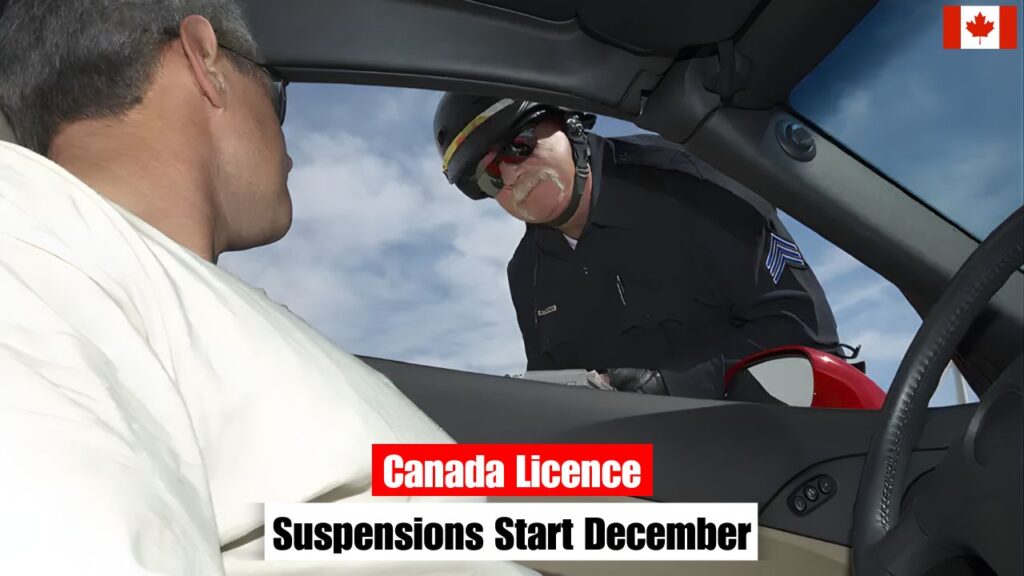
New Canada Traffic Rules – New Canada Traffic Rules Bring Automatic Licence Suspensions From December 15, marking a major shift in how the country handles serious road-safety violations. These updated measures aim to reduce reckless driving, streamline enforcement, and encourage safer behaviour among motorists nationwide. Under the new rules, several high-risk actions—such as extreme speeding, impaired driving, and repeated offences—will now trigger immediate administrative penalties. For Canadians, this change means faster consequences, fewer court delays, and a renewed focus on compliance. As motorists prepare for the December 15 rollout, understanding how these automatic suspensions work is essential for staying both compliant and safe on the roads.
Automatic Suspension Rules for Canadian Drivers
Canada’s updated traffic enforcement framework introduces a stricter approach to licence management, particularly for those who repeatedly violate road-safety norms. These new automatic suspension rules for Canadian drivers aim to reduce dangerous driving incidents by applying immediate penalties without lengthy court procedures. Motorists found engaging in high-risk behaviour—such as excessive speeding, impaired operation, or ignoring roadside orders—may face instant consequences, including temporary loss of driving privileges. The intent behind these changes is to streamline processes, enhance road safety, and remove unsafe drivers from the roads more quickly. As the December 15 implementation date approaches, Canadians are encouraged to stay informed and review the conditions that may trigger these new suspensions.

New Traffic Penalty System for Canada’s Motorists
The new traffic penalty system designed for Canada’s motorists introduces clearer guidelines, quicker enforcement, and stronger deterrence for repeat offenders. This system expands the list of violations that can activate immediate administrative licence suspensions, ensuring drivers feel the consequences sooner. Offences such as refusing roadside testing, accumulating demerit points too quickly, or committing severe infractions are now more closely monitored. By strengthening accountability, the policy targets persistent high-risk behaviour to protect the broader driving community. These adjustments underscore the country’s ongoing commitment to reducing accident rates while ensuring that compliant motorists experience safer, more predictable road environments.

| Violation Type | Suspension Trigger | Duration |
|---|---|---|
| Impaired Driving | Immediate roadside failure | 3–90 days |
| Excessive Speeding | 40–50 km/h over limit | 7–30 days |
| Refusal of Testing | Failure to comply | Immediate suspension |
| Repeat Offences | Multiple violations | Escalating periods |
| Demerit Accumulation | Too many points | Varies by province |
Licence Suspension Enforcement for People Across Canada
Licence suspension enforcement for people across Canada is set to become more streamlined under the updated rules. Provincial authorities will now rely on automated reporting systems, ensuring that violations leading to suspensions are processed in real time. This eliminates delays, improves compliance tracking, and strengthens the impact of road-safety campaigns. Drivers engaging in reckless or impaired actions will feel the consequences much faster than before, with enforcement officers empowered to issue administrative suspensions on the spot. By prioritizing efficiency and safety, these changes aim to build greater trust in the enforcement system while protecting responsible road users nationwide.
Road Safety Impact of New Rules in the Canadian System
The overall road safety impact of these new rules in the Canadian system is expected to be significant. With faster enforcement, clearer consequences, and stricter oversight, authorities anticipate reductions in collisions, injuries, and high-risk driving incidents. The automatic suspension approach also encourages motorists to adopt more cautious habits, knowing violations will be dealt with promptly. For communities, the benefits extend beyond safer roads—reduced emergency response strain, fewer legal disputes, and improved public confidence in enforcement processes. As December 15 approaches, these reforms represent an important step toward creating safer travel experiences for all Canadians.
Frequently Asked Questions (FAQs)

1. When do the new automatic licence suspension rules start?
The new suspension rules officially take effect across Canada on December 15.
2. Which violations can trigger an automatic suspension?
Offences like impaired driving, excessive speeding, refusal of testing, and repeated violations can trigger suspensions.
3. Are suspension periods the same in every province?
No, each province determines its own duration based on local legislation.
4. Do drivers have the right to appeal a suspension?
Yes, most provinces offer an appeal process, though rules vary by location.